When Should You Schedule Comprehensive Wall Repair?
You should schedule comprehensive wall repair when damage extends beyond an isolated surface blemish, keeps returning after patching, or suggests an underlying moisture or structural problem. In Townsville, heavy seasonal rain, tropical humidity, coastal exposure and cyclone conditions make early investigation particularly important. Repairing the visible damage without addressing its cause can mean paying for the same work twice.

Signs Your Walls Need Professional Assessment
Not every hairline crack signals a serious defect. Plasterboard joints, temperature changes and normal building movement can produce minor cracking. However, a crack’s direction, location and rate of change matter more than appearance alone.
- Changing cracks: Cracks that widen, lengthen or return after repair need investigation, particularly around doors and windows.
- Movement or distortion: Bowing walls, displaced bricks, sloping surfaces or doors that suddenly stick can indicate movement requiring professional assessment.
- Persistent moisture: Damp patches, bubbling paint, mould, soft plasterboard and musty smells suggest an unresolved water source.
- Deteriorating masonry: Loose mortar, crumbling bricks and recurring salt deposits warrant closer inspection.
- Widespread damage: Multiple affected rooms, extensive delamination or repeated failed patches usually justify a coordinated repair plan.
Keep people away from bulging, leaning or partly detached walls. If collapse appears possible, leave the affected area and seek urgent assistance. Do not scrape, drill or remove unstable material yourself.
Choose the Right Time for Repairs in Townsville
Before the wet season
Arrange an assessment well before the wetter months if you already notice external cracks, failed sealants or damp internal walls. This gives contractors time to investigate and complete weather-sensitive work. Townsville’s drier months often provide better conditions for external repairs, although actual rainfall, humidity and product curing requirements determine suitability.
Immediately after leaks or storm damage
Do not wait for a convenient season when water is entering your home. Arrange safe temporary protection and an inspection promptly. Wet wall cavities and insulation can remain damp even when the painted surface looks dry. Electrical fittings affected by water require assessment by a licensed electrician.
https://garrettglin040.clearminster.com/posts/your-complete-checklist-for-certified-roof-reroofingBefore repainting or renovating
Schedule repairs before installing new cabinetry, replacing flooring or repainting. Advanced painting techniques cannot stabilise moving masonry or fix an active leak. Investigating first protects your renovation budget and prevents concealed damage from becoming harder to access.
Identify the Cause Before Choosing the Repair
Masonry damage and movement
A sound assessment checks brick structural integrity, mortar condition, lintels, movement joints and nearby drainage. Depending on the findings, brick deterioration repair may involve replacing damaged units, while brick joint repair may address localised mortar defects.
Brick mortar replacement and brick mortar restoration require mortar compatible with the existing masonry. Brick repointing services should remove defective mortar appropriately rather than simply covering the surface. An unsuitable, overly hard mortar can contribute to further brick damage.
Brick expansion joint repair must preserve the joint’s ability to accommodate movement. More substantial defects may require engineered brick structural repair or partial brick wall reconstruction. Brick facade repair also needs to account for wall ties, flashings and support conditions where relevant.
For ongoing protection, brick wall maintenance, brick erosion control and brick durability enhancement should focus on controlling moisture and correcting defects. Brick wall weatherproofing is not a substitute for repairing failed flashings or drainage. If improving brick thermal insulation is part of a renovation, discuss how the proposed system manages condensation and allows appropriate drying.
Roof leaks that damage walls
Water can travel along framing before appearing on a wall, so the leak may not sit directly above the stain. Advanced roof repair should begin with diagnosis of roofing, flashings, penetrations and junctions rather than indiscriminate sealant application.
Ask whether comprehensive roof repair is sufficient or whether widespread deterioration justifies comprehensive roof replacement. Terms such as complete roofing replacement, comprehensive roof reroofing and complete roof installation can describe different scopes; obtain a written explanation of what is being removed, replaced and retained.
If a provider advertises certified roof repair or certified roof reroofing, ask what certification applies and verify relevant licensing. Comprehensive roofing services should include appropriate inspection, documentation and advice about comprehensive roof maintenance.
For business premises, coordinate commercial roof repair with wall restoration to reduce disruption. Commercial roofing assessments should identify commercial roof solutions suited to the building and its drainage requirements. Asphalt shingle replacement and cedar shake replacement are relevant only where those materials actually exist; they are not default recommendations for Townsville buildings.
Overflowing gutters and poor drainage
Damaged gutters, blocked downpipes and poorly directed runoff can repeatedly saturate walls. Comprehensive drainage solutions should consider where roof and surface water discharge, not just whether individual gutters are clean.
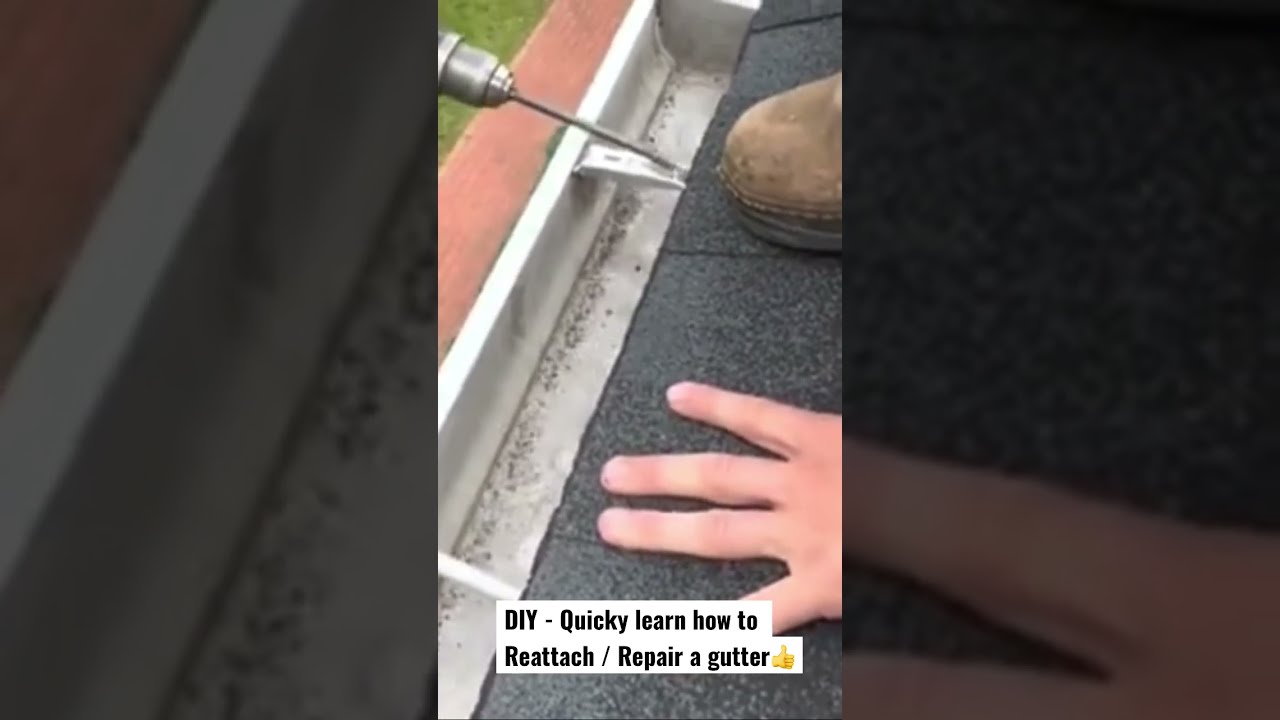
Damaged gutter repair may resolve a local defect, while comprehensive gutter services can assess capacity, falls, joints and outlets. Ask what advanced gutter solutions improve performance in your specific situation. Aluminum gutter repair and copper gutter maintenance require material-appropriate methods, including attention to incompatible metal contact. Larger properties may need commercial gutter services to assess more extensive drainage systems.
Address Humidity Without Creating New Problems
Condensation can contribute to mould and deteriorating finishes, but it should not be confused with rainwater penetration. Advanced ventilation techniques should address the identified moisture source and work with the building’s air-conditioning and insulation.
Roof-space measures sometimes described as attic cooling methods or attic heat reduction do not automatically solve damp walls. Attic ventilation installation, attic ventilation repair and comprehensive roof venting need to suit the roof design and local exposure conditions. Customized roof ventilation should avoid compromising weather resistance or drawing humid outdoor air into unsuitable spaces.
Repair First, Then Seal and Paint
Allow repaired materials to reach suitable moisture levels before applying finishes. Comprehensive sealing solutions should be selected for the substrate, exposure and existing coating system. Some masonry treatments can restrict drying, so a coating should not be chosen solely because it promises waterproofing.
When comparing complete painting sealing, comprehensive painting sealing or commercial painting sealing packages, request specific preparation steps, product names and application requirements. A worthwhile specification explains how cracks, salts, mould and damaged coatings are treated before painting begins.
What to Ask Before Booking
- What causes the damage? Request an explanation supported by inspection findings, not just a quote for cosmetic patching.
- Is specialist assessment necessary? Significant movement may require a structural engineer, while suspected asbestos-containing materials need appropriate assessment before disturbance.
- Who handles each part? Confirm relevant Queensland licensing, insurance and whether approvals or engineering documentation are required for the proposed work.
- What is included? Check access, protection, drying, waste removal, finishes, exclusions and any follow-up inspection.
- How will recurrence be prevented? Ask for a maintenance plan covering drainage, sealants, masonry and roof interfaces.
For Townsville properties, the best time to book is when warning signs first appear, before deterioration spreads. A coordinated assessment helps you distinguish cosmetic defects from deeper problems and schedule repairs in the right order: stop the cause, stabilise the wall, dry affected materials and restore the finish.
Townsville Roof Restoration Experts
9/141 Ingham Rd, West End QLD 4810, Australia
(07) 4801 8032